Can Alberta become the LA of Canada? On the latest episode of Real with Ritesh, "Can Alberta Create More Opportunities for Filmmakers?", Roxanne Molnar made the case for why Alberta deserves a bigger seat at the filmmaking table. We talked about where Alberta's filmmakers, musicians and game developers find the people, funding and opportunities they need, and about Pitch, Camera, Launch, a Calgary event that puts women's creative projects in front of tech investors. We also talked about building before you feel ready. Here's the breakdown, the context behind it and the full conversation.
- Roxanne Molnar's question is simple: what would it take for Alberta's filmmakers, musicians and game developers to find more of the people, funding and opportunities they need to build here? (Real with Ritesh, November 2026).
- Alberta's Film and Television Tax Credit is a refundable credit of either 22% or 30% on eligible production costs, with the higher rate for productions that meet Alberta ownership and rural-location tests (Government of Alberta, 2026).
- Pitch, Camera, Launch takes place on Wednesday, November 25, 2026 at TELUS Spark Science Centre in Calgary, where women pitch film, music and gaming projects that use technology in creative ways.
- Roxanne's networking advice: walk into the room curious about the people in it, not looking to sell them something. Her pitching advice: say what you'll show, show it, then repeat your specific ask (Real with Ritesh, November 2026).
- This is general information, not financial, investment or legal advice. Mentions of projects or investment opportunities are not recommendations to invest. Check the official page for current event details.
Can Alberta Really Become the LA of Canada?
Roxanne Molnar's answer is that Alberta deserves a bigger seat at the creative table, and that the ingredients are already here (Real with Ritesh, "Can Alberta Create More Opportunities for Filmmakers?", November 2026). She points to Alberta's locations, its creative talent and a strong union and crew base as the foundation.
What's missing, in her view, is connection. Filmmakers, musicians and game developers often can't find the collaborators, funding and decision-makers they need without leaving the province. The question she keeps asking is how to make those people easier to find here.
I like that she doesn't frame this as a complaint. It's a build problem. If the talent exists and the incentives exist, then someone has to put the right people in the same room. That's the job she's taken on.
What Does Alberta Already Offer Film Producers?
Alberta's Film and Television Tax Credit is a refundable credit on eligible production costs, and applicants can apply for either a 22% or a 30% rate (Government of Alberta, 2026). The 22% rate needs total production costs of at least $499,999 and part of principal photography or key animation in Alberta.
The 30% rate adds conditions that favour local ownership. At least half the project must be owned by eligible individuals, at least one Alberta-based producer needs a single card credit, and the copyright must be held at least in part by an Alberta-based owner. A separate 30% route exists for productions shot mostly in rural or remote locations.
The province also dropped the $10 million per-project cap on the credit in 2021 to attract larger productions (CBC News, 2021). Incentives are only half of it, though. A credit doesn't make a film. Roxanne's point is that the people and the projects need to be connected too. I wrote about Calgary's wider ambitions in Calgary and Canada as a Tech Capital.
What Is Pitch, Camera, Launch?
Pitch, Camera, Launch is a Calgary event where women pitch projects in film, music and gaming that use technology in creative ways (Real with Ritesh, November 2026). It takes place on Wednesday, November 25, 2026 at TELUS Spark Science Centre in Calgary, presented by Frame the Future, an initiative of Leaders in Frame, in collaboration with Aurrin Ventures.
The idea is to bring creators and tech investors into the same room and give both a reason to look beyond their usual circles. Roxanne's goal goes past the night itself: she wants to build a community that keeps those conversations going after the pitches end.
- 1Creators pitch
Women present film, music and gaming projects that use technology in creative ways.
- 2Investors and tech leaders listen
People who usually sit outside the creative world get a direct look at projects they might not otherwise see.
- 3The community continues
The aim is an ongoing community, not a one-off event, so introductions turn into real collaboration.
Real with Ritesh is an in-kind podcast partner for Pitch, Camera, Launch, covering podcast content and event promotion. Guests don't pay to appear on the show. For current details and availability, use the official registration page.
Why Do Creatives and Entrepreneurs Need Each Other?
Roxanne sees a two-way relationship: creative teams bring ideas, storytelling and craft, and entrepreneurs bring funding, marketing reach and business experience (Real with Ritesh, November 2026). When both sides understand what the other can offer, projects get made and brands get stories worth telling.
That's also why she builds events that mix the two groups, rather than keeping film people with film people. Each side tends to underestimate how much the other could help. I've seen the same thing with creators and brands, which I covered in Nic Nguyen on the Creator Economy and Brand Deals.

How Do You Build a Network From Scratch?
Roxanne moved to Alberta without a local network, found her way into entrepreneurship without planning to and got into film with encouragement from her daughter (Real with Ritesh, November 2026). Her story is a reminder that most people who look well connected started with no connections at all.
She explained why asking for help changed what she could build. Asking can feel uncomfortable, but it's usually what opens the first few doors. And she walks into a room curious about the people in it, not looking to sell them something.
- Start with questions about the other person's work before you mention yours.
- Ask for help in a specific way, so it's easy for someone to say yes.
- Follow up after the event, because that's where a conversation becomes a relationship.
- Don't wait to feel ready. Build with what you have and improve as you go.
I think this is the most useful idea in the episode for any founder, not only filmmakers. Curiosity lowers the pressure on both sides, and it tends to lead to better conversations than a pitch delivered too early.
How Do You Pitch So People Can Say Yes?
Roxanne describes a simple structure for a time-limited pitch: tell people what you're about to show them, show it, then repeat your specific ask (Real with Ritesh, November 2026). It's a sandwich: the ask opens and closes the pitch so nobody leaves unsure what you need.
A clear ask matters as much as a good project. Saying you need a specific amount, a specific introduction or a specific kind of partner gives investors and judges something to act on. Passion helps, but a vague request is easy to admire and easy to forget.
- 1Say what you'll show
Give the room a one-line preview of the project and what you're asking for.
- 2Show it
Share the project, the team and the passion behind it, concisely.
- 3Repeat the ask
Close by restating the exact funding, introduction or partnership you need.
On AI, she treats it as a support tool and not a replacement for original ideas, especially in creative work like writing. That balance is worth copying: use tools to save time, and keep the ideas yours.
Work With Ritesh
Building Something and Not Sure Who to Pitch?
Whether it's a creative project, a startup or a new direction, the hardest part is often a clear next step and a clear ask. If you'd like a second opinion, let's talk it through.
Book a Strategy Call →This episode is for general information and discussion. It is not financial, investment, or legal advice. References to projects or investment opportunities are not recommendations to invest. Views expressed are those of the individual speakers. Real with Ritesh is an in-kind podcast partner for Pitch, Camera, Launch; the partnership includes podcast content and event promotion, and guests do not pay to appear. For current event details and availability, check the official registration page.
Frequently Asked Questions
What is Pitch, Camera, Launch?
It's a Calgary event where women pitch projects in film, music and gaming that use technology in creative ways. It runs Wednesday, November 25, 2026 at TELUS Spark Science Centre, presented by Frame the Future, an initiative of Leaders in Frame, with Aurrin Ventures. Check the official registration page for current details (Real with Ritesh, November 2026).
What is Alberta's film and television tax credit?
It's a refundable Alberta tax credit on eligible production costs, available at either 22% or 30%. The 22% rate requires at least $499,999 in production costs and some Alberta photography or animation. The 30% rate adds Alberta ownership and cost tests, or a rural and remote option. Confirm current terms with the province (Government of Alberta, 2026).
Who is Roxanne Molnar?
Roxanne Molnar is a Calgary-based entrepreneur and the organizer behind Leaders in Frame events, including Pitch, Camera, Launch. She moved to Alberta without a local network, entered entrepreneurship without planning to and got into film with encouragement from her daughter, as she shared on Real with Ritesh (November 2026).
How should you approach networking if you don't like selling?
Roxanne's advice is to walk into the room curious about the people in it instead of looking to sell them something. Start with questions, ask for specific help and follow up afterward. That lowers the pressure and tends to lead to real relationships and unexpected collaboration (Real with Ritesh, November 2026).
What makes a pitch effective?
Roxanne recommends a sandwich structure: say what you're going to show, show it, then repeat your specific ask. Be clear about what you need, whether that's funding, an introduction or a partner, and let your passion for the project show. Vague requests are hard for investors to act on (Real with Ritesh, November 2026).
Roxanne Molnar's message is that Alberta has what it takes to be a bigger player in film, music and gaming, and that it starts with connecting the right people. You don't have to feel ready to begin. You have to start, ask for help and be curious about whoever is in the room.
Watch the full episode above, then ask yourself the question we put to viewers: what would make the biggest difference for a creative project in your city, access to funding, the right collaborators or a first chance to get in front of decision-makers? Tell us in the YouTube comments, or contact me if you'd like to talk it through.
Sources
- Real with Ritesh, Can Alberta Create More Opportunities for Filmmakers? | Roxanne Molnar | Real With Ritesh (source episode for this article), retrieved 2026-11-19, November 18, 2026
- Government of Alberta, Film and Television Tax Credit (22% or 30% rate, $499,999 minimum production costs, eligibility criteria), retrieved 2026-11-19, guidelines updated May 14, 2026
- CBC News, Alberta removes $10M per-project tax credit cap in bid to draw big film, TV productions, retrieved 2026-11-19, 2021
- Pitch, Camera, Launch event details and registration (Luma), retrieved 2026-11-19, 2026
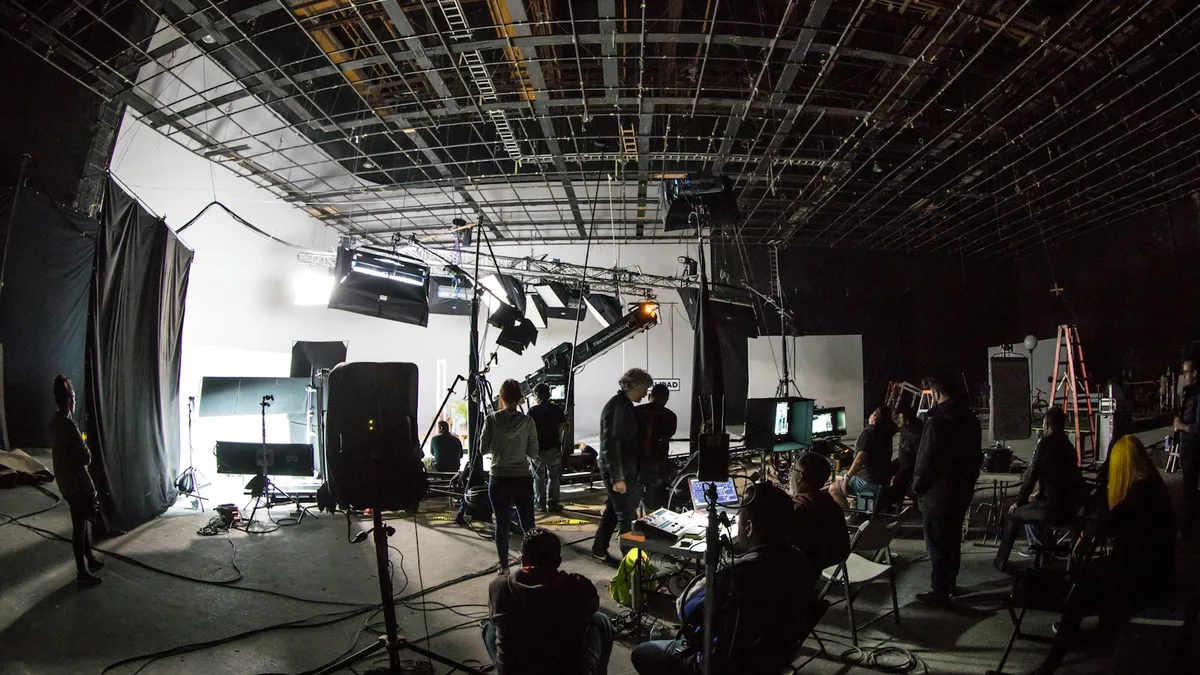
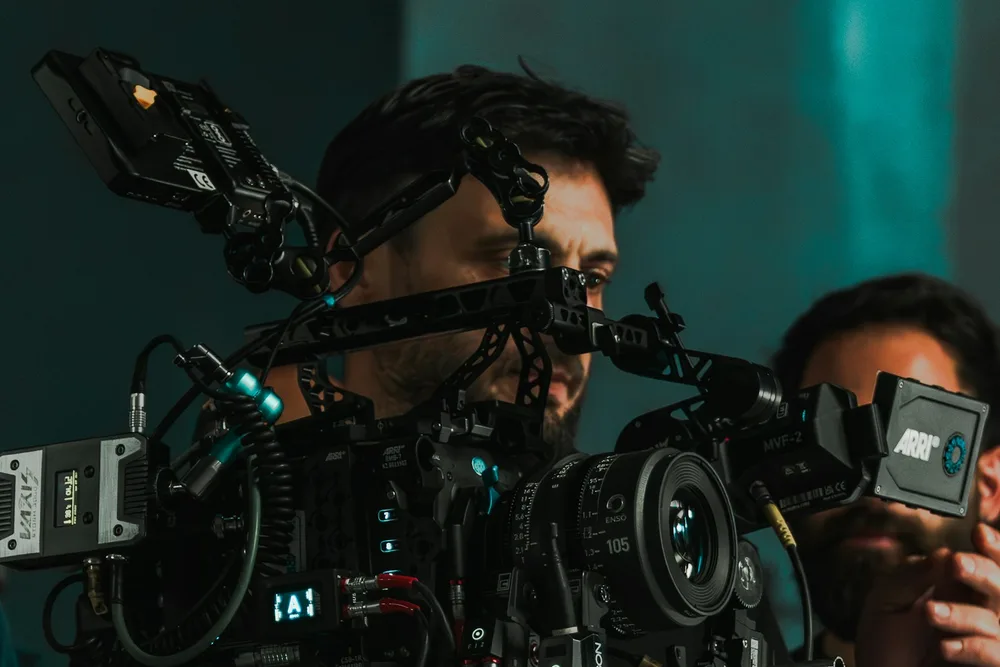
- Photos via Unsplash: Brands&People (cover, film crew on a soundstage), Cemrecan Yurtman (cinema camera), Amonwat Dumkrut (woman speaking on stage), used under the Unsplash License